
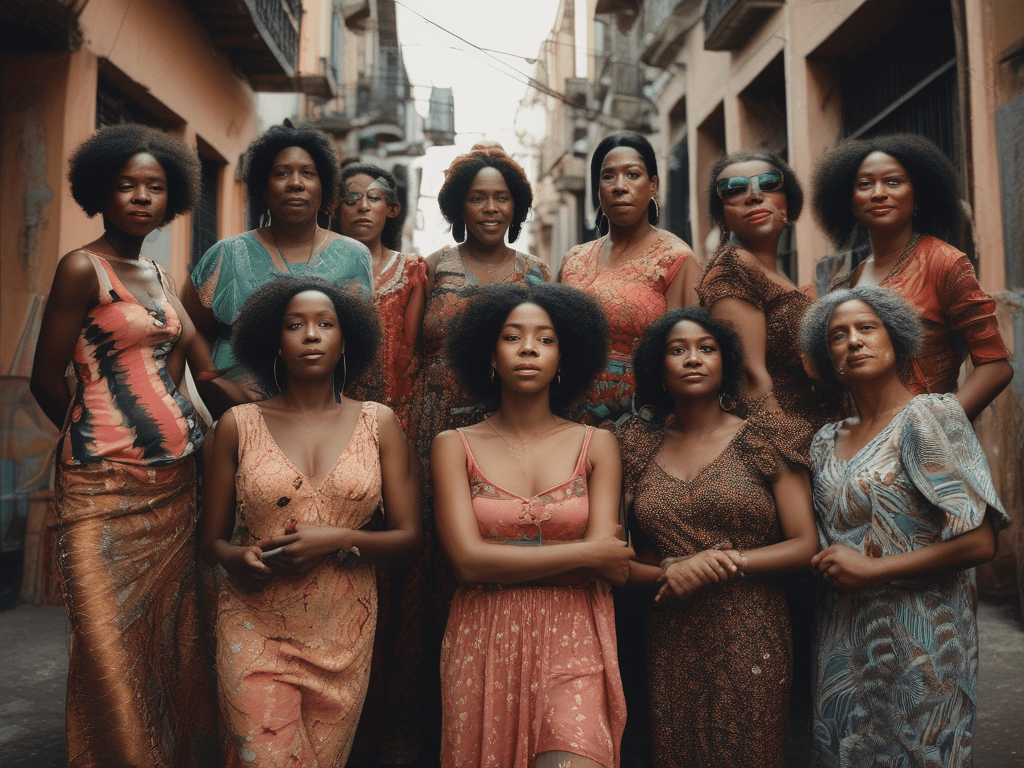
Today we celebrate International Afro-Latin American, Caribbean, and Diaspora Women’s Day, established in the Dominican Republic on July 25, 1992. On this day, women from 32 countries gathered to discuss issues related to their fight and resistance.
During my years as a feminist and activist, I have met many great Afro-women from different countries. We have shared moments of growth, participated in protests and summits, and enjoyed dancing, laughing, and crying together as Afro sisters.
I am happy to honour this day with my Afro ancestors, including my mother, Lucia Newball Hodgson, my sisters Christine and Londa, and many remarkable women like Shira Miguel, Hilda Davis Wilson, Shakira Simmons, Marianela Carvajal Díaz, Maura Mosquera, Jara Lacayo, Elizabeth Suarez García, Arleth Archibold, Sonia Viveros, Nora Newball, Dolene Miller, Yvette Modestin, Noelia Maciel, and Pauline Wambui. I know these women will not give up the fight.
Shira Miguel
Shira Miguel Downs is an attorney with several advanced degrees in Gender Violence, Criminal and Family Law, and Gender Ethnicity and Intercultural Citizenship. With over 20 years of experience in women’s and girls’ human rights, she currently directs the Nidia White Movement in Bilwi, Caribbean Nicaragua. Born on Corn Island and raised by her mother and grandparents, Shira grew up in a church environment where she learned that being a Christian goes hand in hand with human rights.
Shira and I grew up in Bilwi, a town next to the Caribbean Sea. We share many things in common: we were both part of the Creole youth group from the Moravian Church, we are both Black activists and feminists, and we both have unstoppable energy, demonstrated by our participation in the International Day for the Elimination of Gender Violence on November 25th, where we shouted slogans and marched alongside women from different cultures.
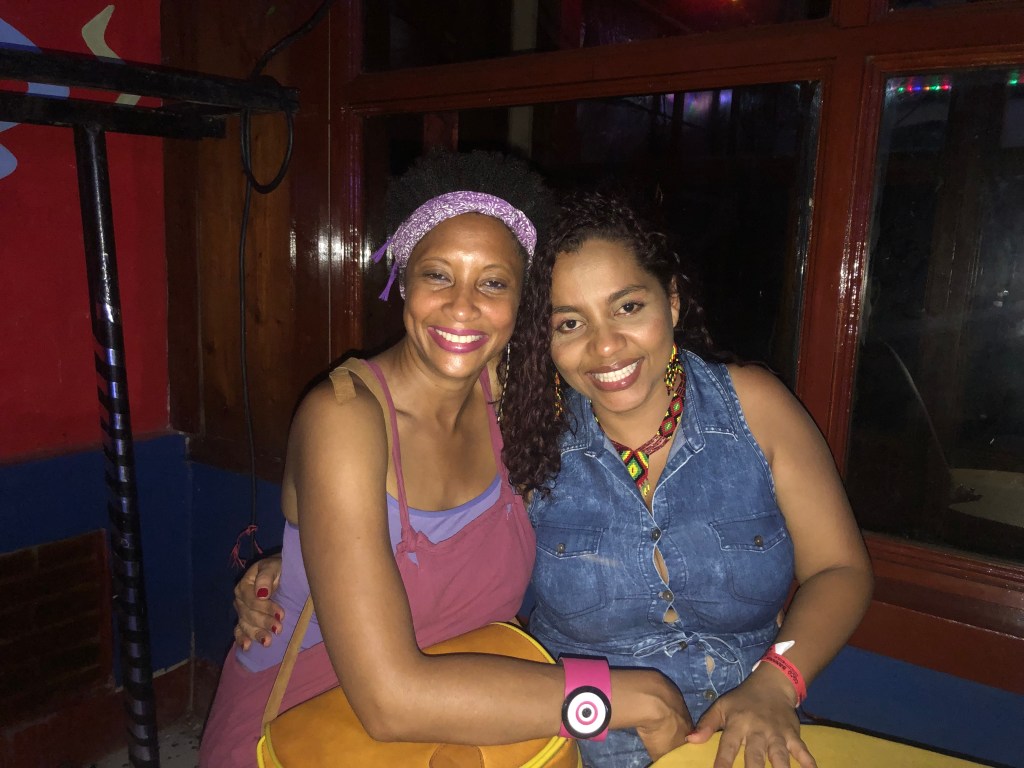
In a conversation with Shira, she shared key insights. She proudly identifies as a Black woman, a feminist, a defender of human rights, and a person from the Nicaraguan Caribbean Autonomous Region. Despite the challenges regarding women’s and girls’ rights in the Caribbean Coast of Nicaragua and globally, Shira remains committed to the fight. When asked about her heroines, she immediately mentioned her grandmothers, mother, ancestors, and the many resilient women she meets daily.
Shira advises us “not to lose sight of feminist history and to always uphold its core values, particularly in questioning and addressing inequalities. She emphasizes the importance of acknowledging the unique experiences of Black women, unifying efforts, recognizing talents, and respecting individual processes among us. We must avoid replicating patriarchal roles of submission and unequal power. For those who understand their roots, being Black is a source of pride”.

Being a Black woman is not easy. Over the years, I’ve learned that merely proclaiming “I am a proud Black woman” isn’t enough. We must continue researching our ancestors’ history, understanding our identity, and never being ashamed of it. Our Blackness should intersect with other struggles for equality.
I prefer to be called a Black woman, rather than being labelled as brown, chocolate, blackish, or a woman of colour. These terms can dilute the recognition of my identity.
Shira is a role model for me and many other women. I encourage you to think of a Black woman in your community who has inspired your actions, thoughts, and motivations as a Black female. Share your reflections!
 Women Wheel
Leave a comment