

Three week ago, my family and I lost a beloved cousin, sister, daughter, mother, aunt, and friend. Bridget was the eldest daughter of my aunt, Caroline Newball—my mother’s sister. She passed away on the evening of Thursday, March 20, 2025, in the United States. She had lived there for more than 30 years.
In November 2024, Bridget was diagnosed with lung cancer caused by exposure to asbestos, a natural mineral fiber. As the days went by, she began to lose weight, her appetite diminished, and she was no longer able to carry out many of her daily activities. Her illness progressed quickly—it was an aggressive cancer that spread rapidly throughout her body, leaving us little time to truly process what was happening. Her passing still feels like a shock and is incredibly difficult to believe.

Bridget was a loving person, always with a bright and big smile, careful in nature, and kind to everyone she met. She knew how to enjoy the moments life gave her.
My memories of Bridget remain vivid. When I was about six years old, she lived with us in Bilwi for three years while studying. During that time, she also helped take care of my siblings and me. I remember she loved baking banana cake—one of my favorite treats. I always wanted a slice, but she made it fun. She would say, “Dance to this song first!” And of course, I danced, and in return, I got to enjoy that delicious cake. It’s a memory that still makes me smile.
During those years, Nicaragua was going through internal war. We lived in constant alert, always listening for nearby airstrikes or planes. Bridget was vigilant—whenever she heard the sound of aircraft or explosions, she would immediately make sure we were safe. Despite the fear and tension of that time, Bridget helped protect our childhood, giving us joy and comfort even in the darkest moments.
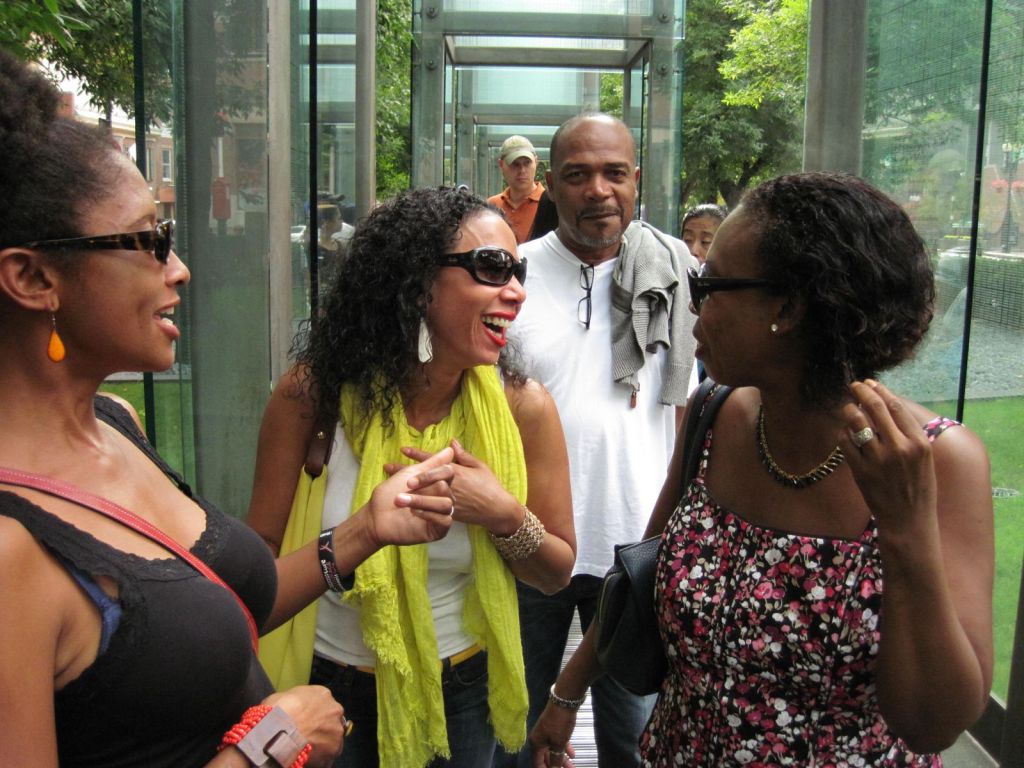


There are so many more memories I could share, but it would take too long. What I know for certain is that the time we shared with her will remain in our hearts forever.
My sister Londa and our dad wrote a beautiful tribute that was read at Bridget’s burial by our eldest sister, Christine. Here is an excerpt:
Bridget was more than family; she was a source of warmth and care. During the years she spent with us, helping care for our children while pursuing her studies, she became a part of our daily lives in the most beautiful way. Her laughter filled our home, her patience and gentleness touched our hearts, and her unwavering support made life’s challenges easier to bear.
Grieving the loved one
It was 2 A.M. (UTC+3) in Finland when my phone rang. It was my oldest sister calling to break the heartbreaking news. Even though I knew this moment was coming, no amount of preparation ever truly makes it easier.
As human beings, we often think the moment we receive the news is the worst part—but in truth, it’s not. That moment marks the beginning of a long and painful journey called grief. Grief has many stages and many faces.
The Cambridge dictionary defines grieve as “feel or express great sadness, especially when someone dies”. As well it’s defined as “to make you feel sad and angry”. Grieve is an verb. Meanwhile, grief is a noun that means a “very great sadness, especially at the death of someone”.
As individual we all grieve in our own way. There is no handbook for how to grieve “correctly.” I cried the moment I heard the news, in the hours and days after, and I still cry today, weeks later. Yes, I laugh, I go to work, to the gym, and I carry out my daily routines. But my mind often drifts back to her, and when it does, I cry again. And I let myself cry—wherever I am.
Grieving has felt even harder being physically far from my family. This distance adds another layer to the pain. But I’ve also found peace in different ways—through talking with friends, through silence, through solitude and companionship, through trying to understand what happened, through acceptance, and through wishing her a peaceful journey as I slowly begin to let her go. Tears fall as I write these words, and writing is one of my ways of grieving.
One of my favorite female writers, Chimamanda Ngozi Adichie lost her father in 2020. In an interview given to PBS News about her grief, she was asked what she learned about grief that surprised her. She said:
I was surprised to discover that I could laugh a day after my father died. And it surprised me that laughter is part of grief. I also realized how much anger I felt, and still feel about losing my father.
While exploring the meaning of grief, I also came across a video by Julia Samuel, who describes the grieving process in a simple, compassionate way. I invite you to watch it—whether you’re grieving or supporting someone who is.
Grieving is about giving yourself permission and time. No one can tell you how to do it, or when to stop. Even when we grieve the same person, our grief looks and feels different.
Bridget is gone from this world, but the smile, love, and kindness she showed me as a child are gifts I will carry forever. They are priceless, and they live on in my heart.


 Women Wheel
Leave a comment