
Introduction
Have you ever stopped to think about why Black women’s hair holds such deep importance?
In 2019, I shared my story in “My Natural Hair: Style or Political Decision.” I explored my journey through relaxed hair and natural hair. I also delved into the cultural meaning attached to it. Since then, my bond with my hair has only deepened—and so has my understanding of its significance.
This article takes you through the history of Black women’s hair. It also shares my personal hair journey. Additionally, it highlights the powerful connections I’ve built through it.
Black Hair History
The legacy of Black hair starts in Africa, where it symbolised more than beauty. Hairstyles were used to indicate a person’s identity, tribe, marital status, class, age, spirituality, and more. Braiding, twisting, and locking were communal rituals, often taking hours or days, which became opportunities for bonding, storytelling, and social connection ( Thompson, 2009).
During slavery, women’s hair became a map for survival. Women braided routes into their hair to remember escape paths. These sessions were acts of resistance and resilience.
Even under oppressive systems like apartheid South Africa, Black hair remained a symbol of pride. The “pencil test” was used to determine race during this time. Despite this, Black hair stood as a political icon and identity.
Watch this video from Chime to learn more about the history and stages of Black women’s hair.
Today, we have more materials and styles than ever before, but the bonding remains just as strong. Hair still connects us.
My Hair Stages and Bonding with People
Since I recall, I have spent a lot of time with my hair. It is a relationship into which I had poured time, effort, money, and love.
My hair story began with my mother. As a child, every Saturday she would wash, comb, and neat my sisters and my hair. I remember being in a bad mood, crying, shouting at times, or also feeling happy. However, it was a warm moment to share with her. This process lasted for years.
Relaxing: Chemicals, Hot Combs, and Sisterhood
As a teenager, I shifted to relaxing my hair. My mom applied it. Besides using chemicals on my hair, I remember also using the hot comb, something only she dared to do.
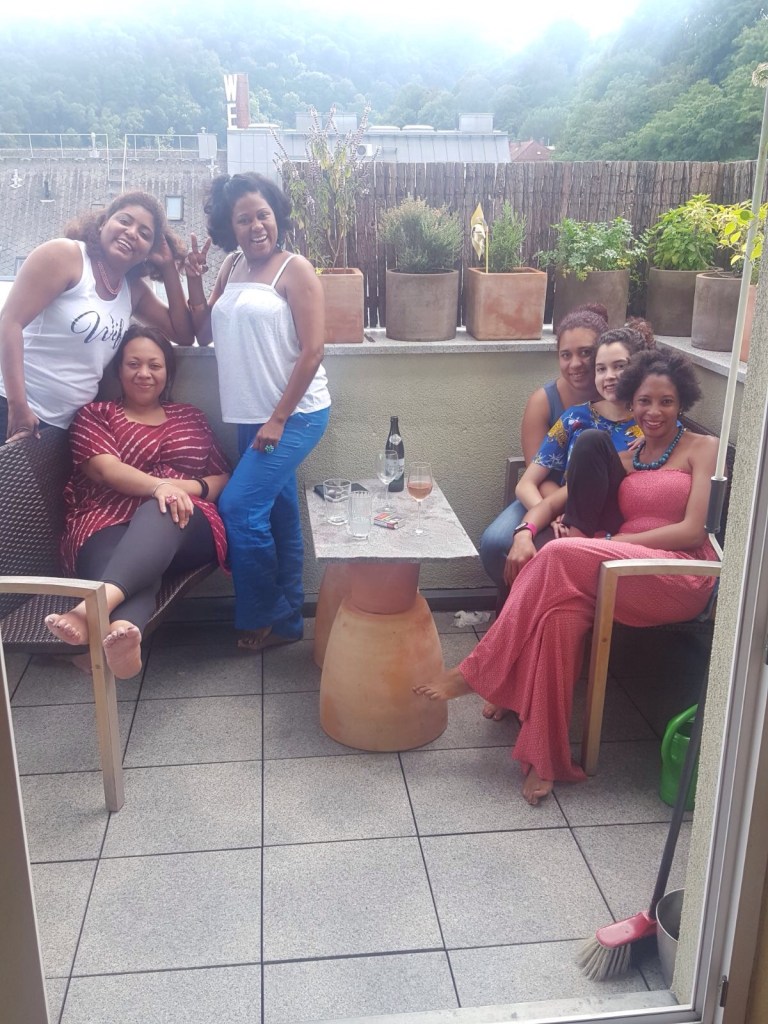
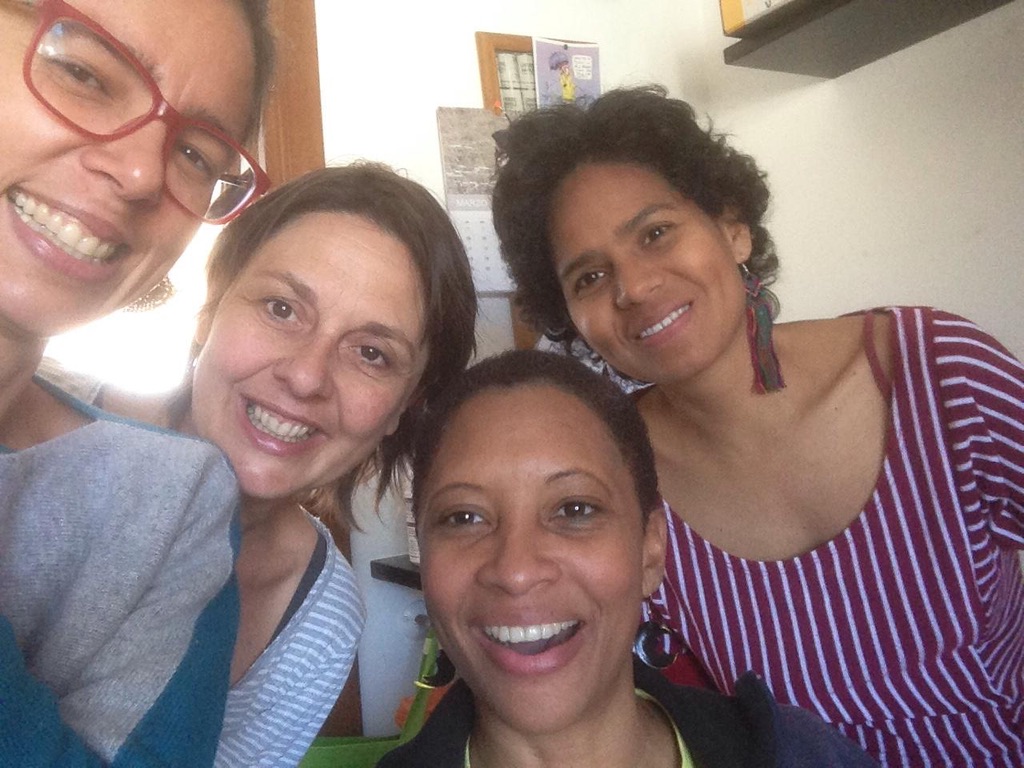
When I moved to university, my sister Londa took over. We did each other’s hair, rolled it dry, and bonded through every step. My friend Cynthia later helped with blow-drying and relaxing, too. These sessions were filled with laughter, snacks, and real talk.

Afro: Pride and Rediscovery
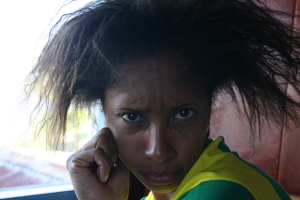
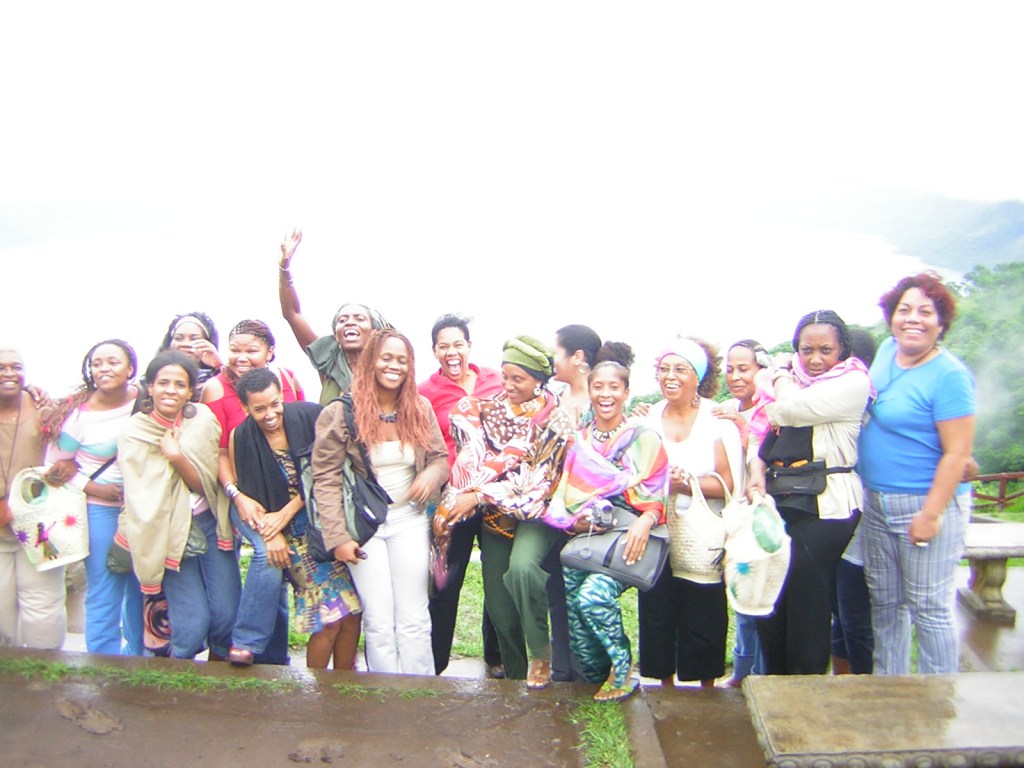
I relaxed my hair until my early twenties, when I attended an Afro women’s summit.
Here I saw so many women confidently rocking their natural hair—it opened my eyes. Their pride was contagious.
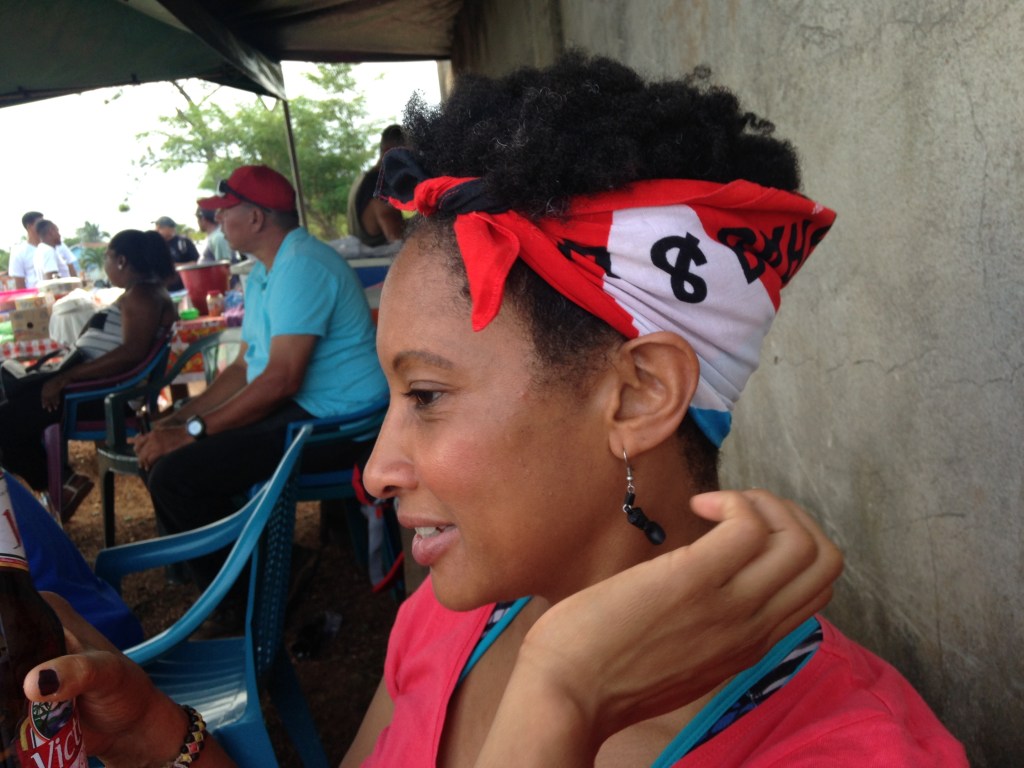
After speaking with several women and asking for tips, I stopped relaxing my hair. But going natural wasn’t easy. I often felt frustrated—my hair was hard to untangle and even harder to style. Over time, though, I learned. I discovered. And eventually, I fell in love with my hair; it was worth it.
My hair was reborn. I felt a deeper connection to my African roots. In many ways, it was like marrying my hair all over again.
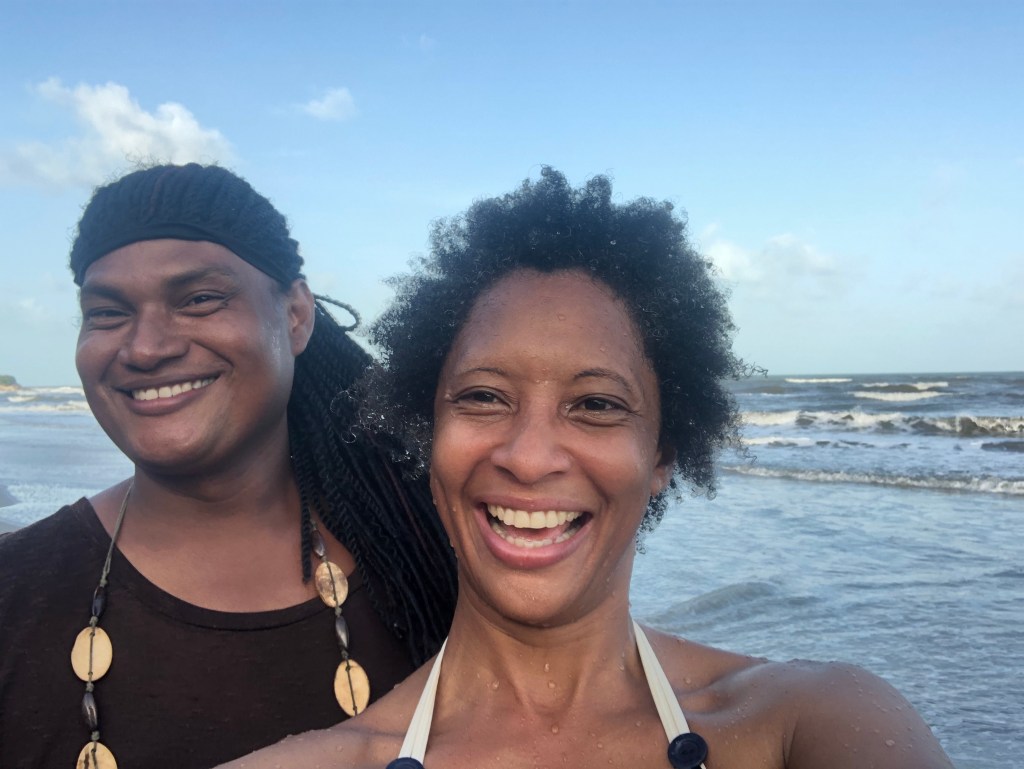
At this stage, I styled my Afro myself, though Roy often braided it for me. We became friends through those sessions, and even now, he’s still my hairdresser when I visit my hometown.


Shot cut
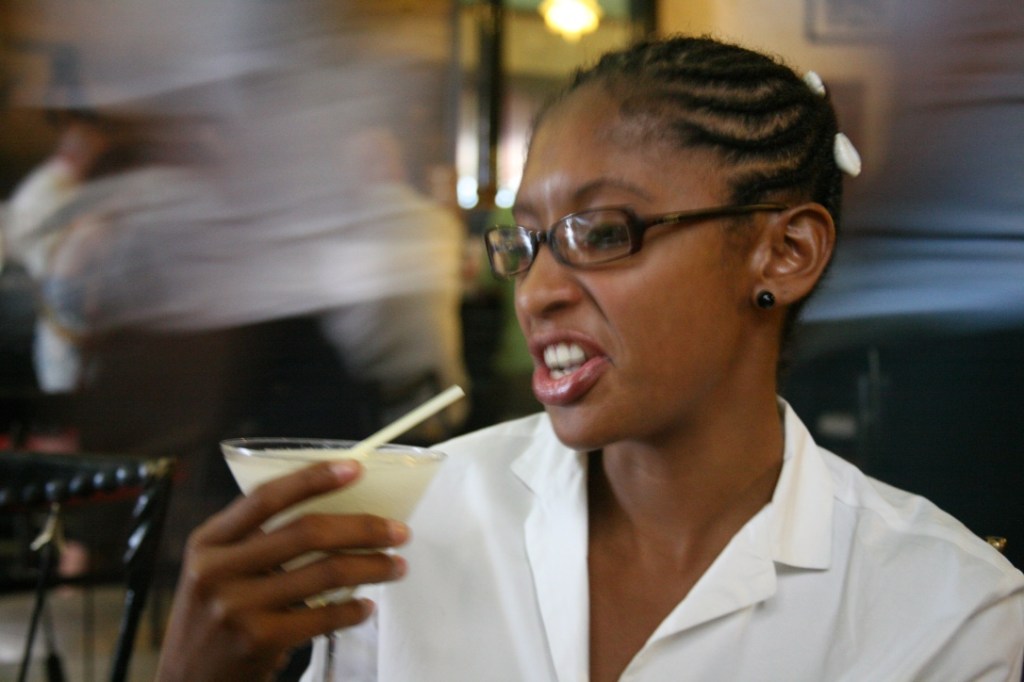
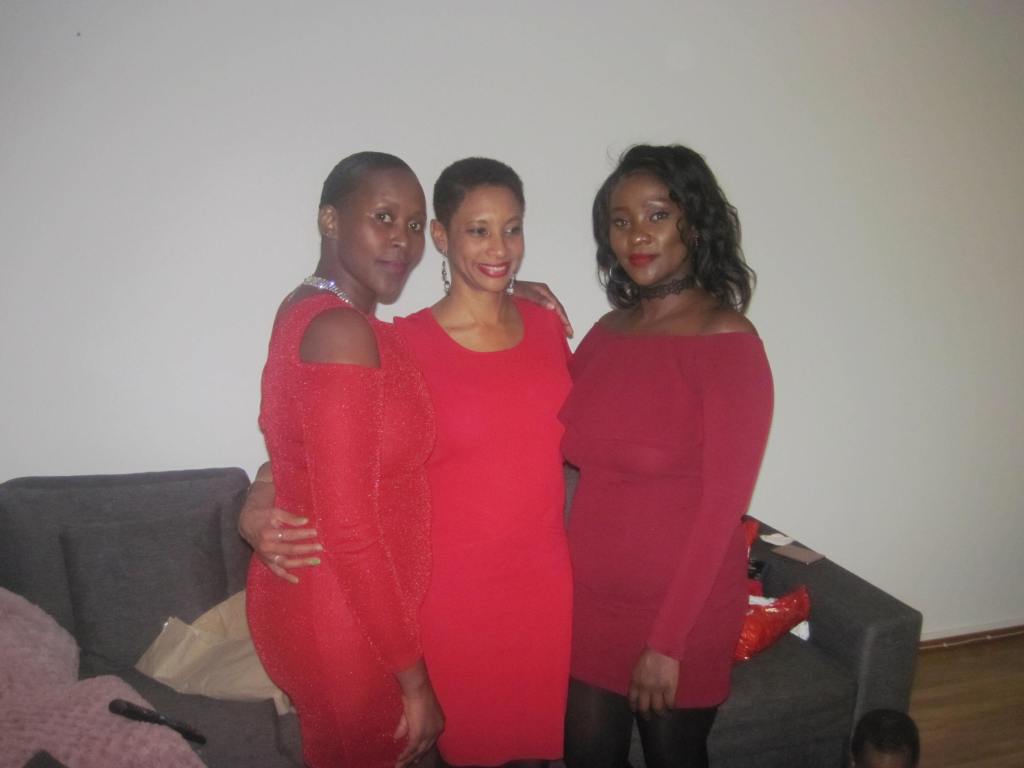
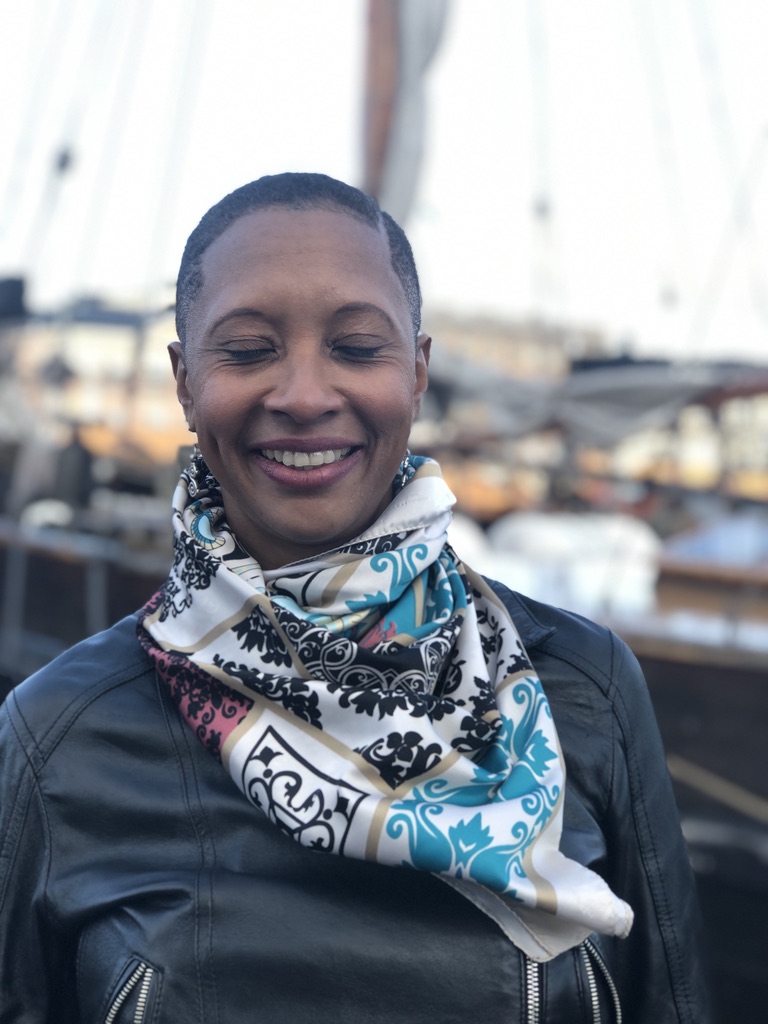
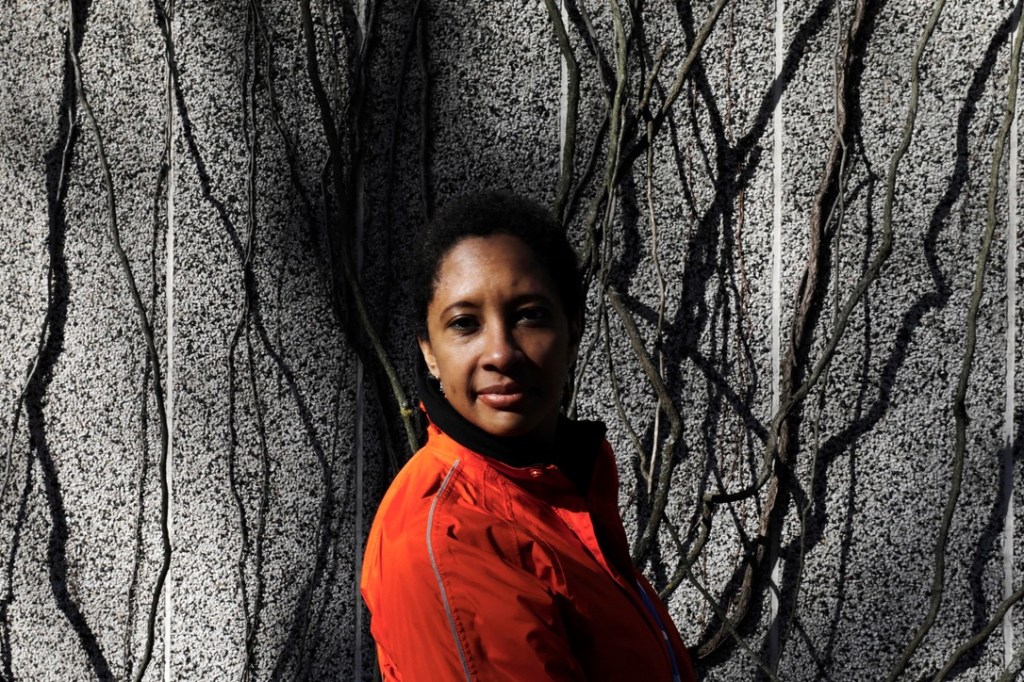
After my divorce, I got a new look. I shaved my head. It felt symbolic, like removing a weight. A friend from Iraq gave me the cut, and through it, I learned about culture, migration, and resilience. My hair was gone, but the connection remained.
Dreadlocks: A Plan Journey
Dreadlocking my hair has always been my plan. I told my Haitian “mom,” Marie, to whom I promised I’d let her know when I started. Unfortunately, when I decided, she passed away.
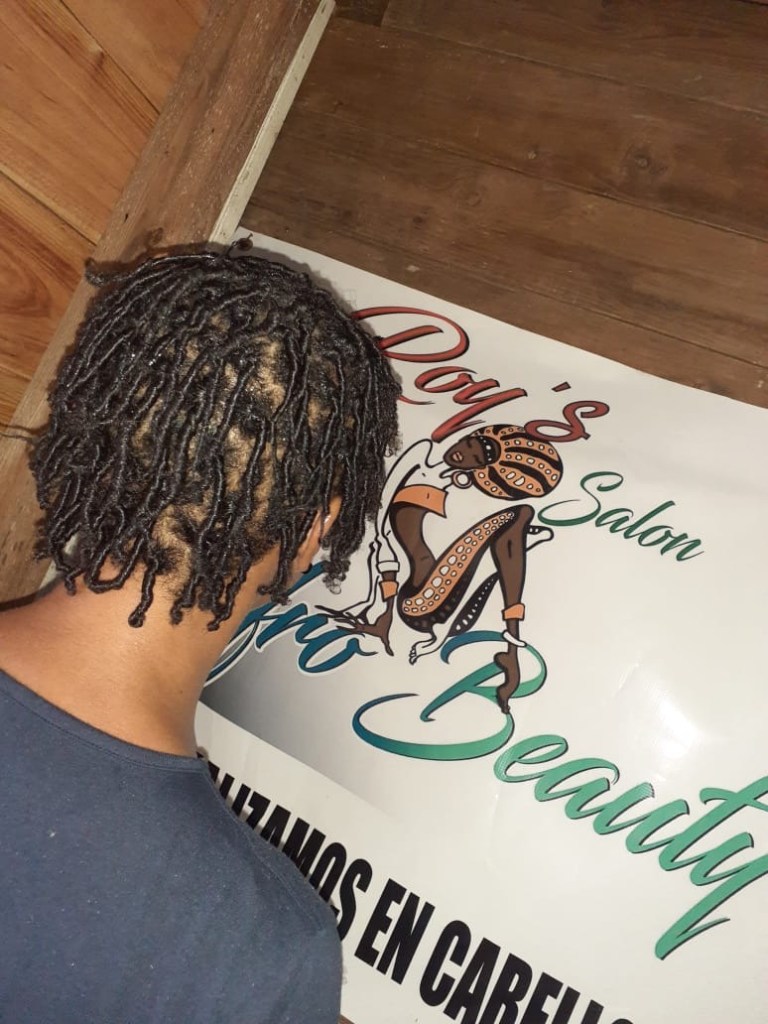
In 2021, I travelled to the Mosquia Caribbean. I visited Roy and explained that it was time to start my dreadlocks. He started my locs. We spent four hours twisting and talking about ourselves, because we had a long time without seen one.
Later, my friend Hank twisted my baby locs daily as we bonded over long conversations. Eventually, I took over maintaining them myself.
Today, Sofia is my hairdresser. I met her two years ago. She styles my locs with crochet. It takes 3–4 hours. During this time, we talk, laugh, and build a sisterhood during every session.


Closing
From relaxed hair to Afros, and short cuts to dreadlocks, each phase of my hair reflects a stage of my life. It also reflects the beautiful people who’ve walked it with me.
To everyone who’s shared a comb, a style, or a moment with me: Thank you.
My hair isn’t just about appearance. It is a political tool, a cultural statement, and a living symbol of my Blackness and activism. Black women’s hair is not just fashion—it’s history, identity, pride, and power.
Thanks for reading! Do you want to read more topics about Black identity, women’s empowerment, and personal journeys? Follow my blog.
Photos by: Cecilia, Kimmo, Liisa, Laura, Roy, Selfies, and others.
References
Chime. (Haircrush). The History of Black Hair. 2013, 21st May. https://www.youtube.com/watch?v=U48565qmqUk
Green Newball, S. My personal notes.
Johnson, E. Resistance and empowerment in Black Woman Hair Styling. Routledge. 2013.
Thompson, C. Black Women and Identity: What’s Hair Got to Do With It? Michigan Feminist Studies, 2(1), 2008-2009. http://hdl.handle.net/2027/spo.ark5583.0022.105


 Women Wheel
Leave a comment