
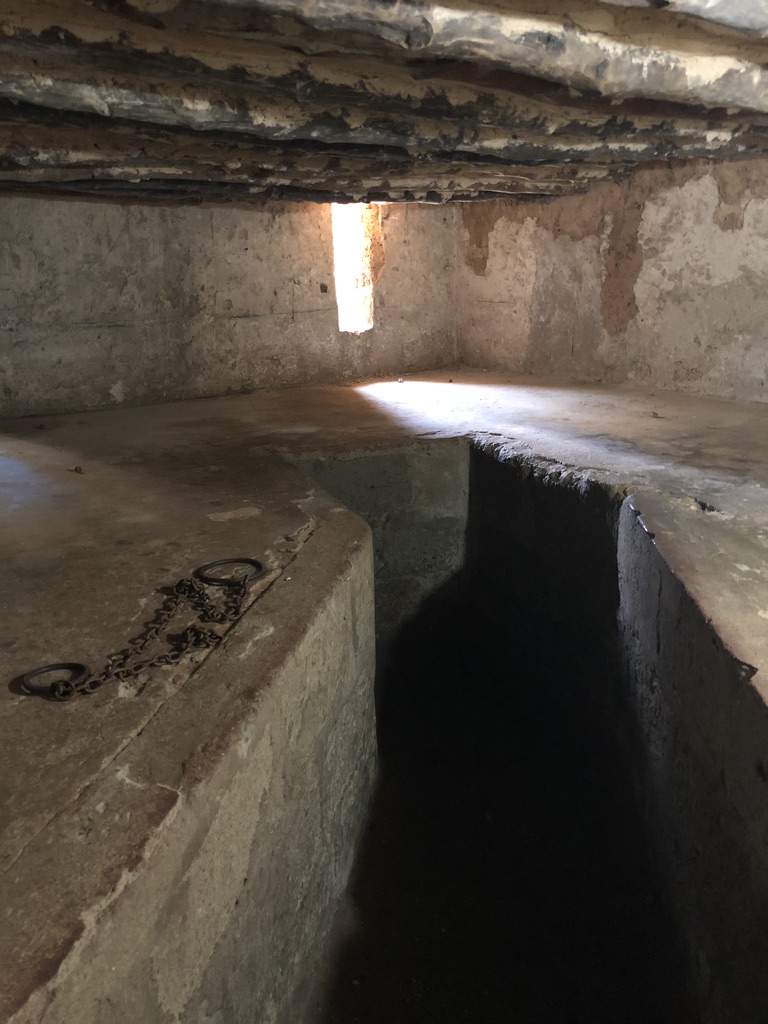
Emancipation, according to the Cambridge Dictionary, is “ the process of giving people social or political freedom and rights”.
On August 27th, Great Corn Island and Little Corn Island in Nicaragua commemorated 184 years since the emancipation of slavery. These islands were part of the Mosquitia territory. This territory stretches from the Aguán River south of Cape Honduras to Boca de Toro in Panama.
It is important to emphasise that the Mosquitia was neither colonised by the British nor the Spanish. Instead, this vast territory was a British protectorate—meaning it was controlled, defended, and negotiated by both the British and the Mosquito Kingdom. It was an informal empire.
The Mosquitia had two forms of slavery: transatlantic slavery and the enslavement of Indigenous peoples. Because the Mosquitia was not a colony, many events unfolded differently than in other regions. Firstly, as mentioned, there were two types of slavery operating concurrently. Secondly, Latin America emancipation process overlapped with Britain’s abolition of slavery. The Britain passed the Slavery Abolition Act, was completed in 1830, but in New Granada ( now Colombia) it was until 1852.
Thirdly, emancipation in the Mosquitia was not uniform—different areas declared freedom on different dates. Fourthly, British businesspeople practiced enslavement in the Mosquitia, including on Great Corn Island and Little Corn Island, where a cotton plantation operated.
The Mosquito Kingdom, led by King Robert Charles Frederic, proclaimed emancipation on January 1st, 1841, at Cabo Gracias a Dios. This proclamation was made with the support of Colonel Alexander McDonald, an abolition superintendent from British Honduras. Together, they traveled on the Tweed throughout Mosquitia reading the proclamation, visiting places such as Pearl Lagoon, Corn Island, and Boca de Toro.

On the morning of August 27th, a ship arrived at South Beach on Corn Island. In the presence of slave owners, King Robert Charles Frederick, and Colonel McDonald, the proclamation of freedom was read to 98 enslaved men and women. The slave owners signed a document. The King and the Colonel also signed it. This document listed the names of the enslaved and their owners.
Once free, the men and women went into the swamps to catch land crabs. They prepared the crabs with breadfruit to make crab soup. That day, they celebrated their liberation. They honored their ancestors who had died under inhumane conditions. They rejoiced through singing and dancing.


Since then, this tradition has been preserved. Every year, crab soup is prepared and shared freely, accompanied by parades, traditional games, and the coronation of the Crab Queen. The community comes together to commemorate emancipation of both mind and body.
“Redemption Song” by Bob Marley and the Wailers resonates with the spirit of emancipation. It was released in 1980 on the album Uprising. The song was inspired by a 1937 speech by Marcus Garvey, a black nationalist and activist.
Old pirates, yes, they rob I
Sold I to the merchant ships
Minutes after they took I
From the bottomless pit
Emancipate yourselves from mental slavery
None but ourselves can free our minds
Have no fear for atomic energy
′Cause none of them can stop the time
Yes, we are free…
References
The Corn Island Virtual Library. https://www.cornislandslibrary.org/2023/08/the-emancipation-from-slavery-on-corn.html
Hamilton, A. (Host). (2020-Present). Rasta Reggae Talk. [ Audio Podcast]. Bluefields Radio.
Dutt, R. ( 2024). The Tweed venture: the language of freedom and British informal empire on the Mosquito Shore. Journal of Transatlantic Studies. (22), 81–102. https://doi.org/10.1057/s42738-024-00120-8
Marley, B. https://www.bobmarley.com/


Leave a Reply to Khaya RonkainenCancel reply